
What Causes Ice Dams (and How to Prevent Them in North Oaks) — 2026 Guide
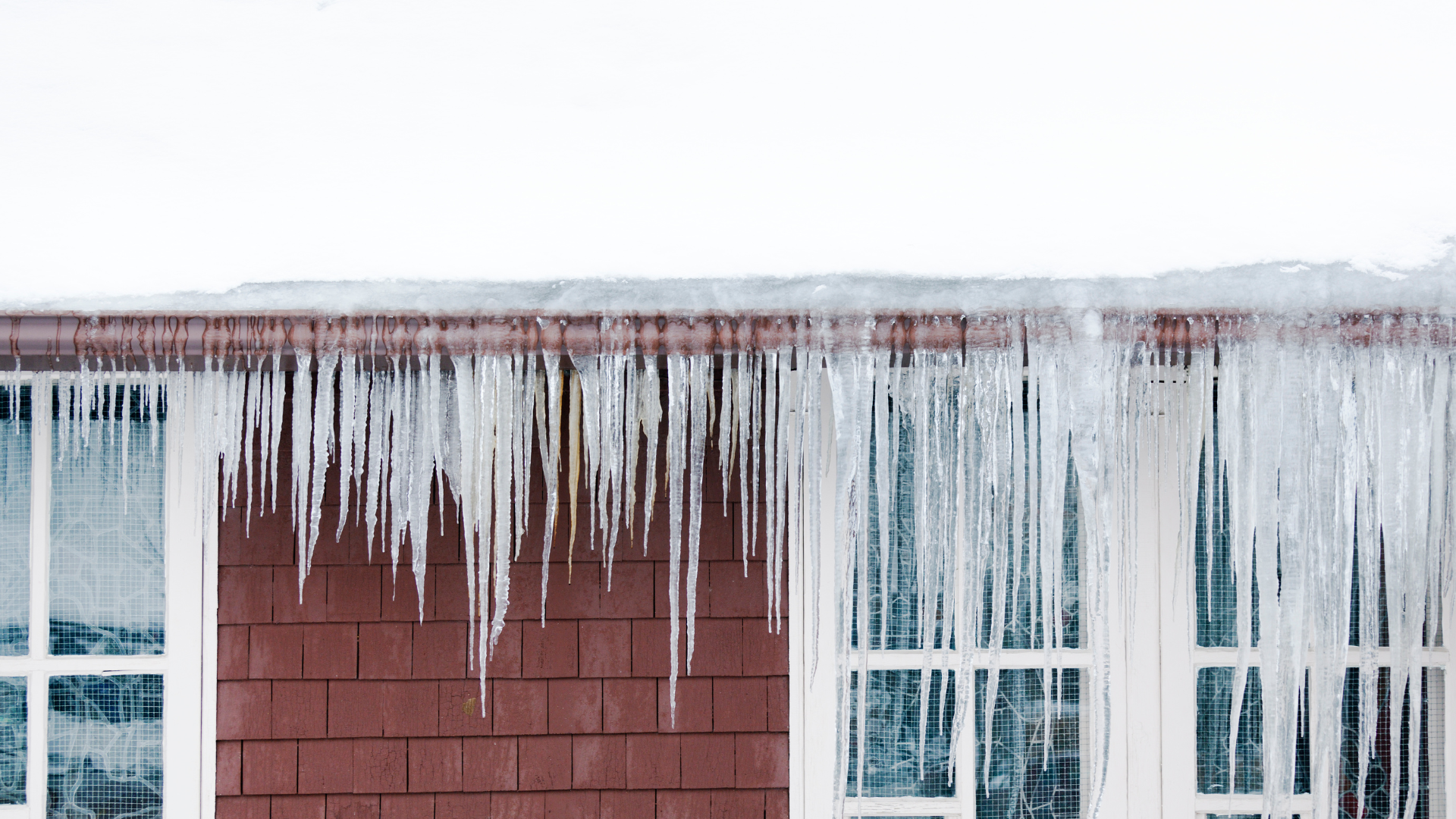
Drive any North Oaks road in February and you’ll see them: icicle curtains hanging from eaves like frozen chandeliers, and behind them, the thick ice ridges that make this community something of an ice dam capital. It’s not bad luck — it’s physics meeting geography. Heavily wooded lots keep roofs shaded and snow-covered longer; large homes with complex rooflines multiply the valleys and transitions where ice concentrates; and vintage attics under those roofs leak just enough heat to run the melt-refreeze engine all winter. The good news buried in that diagnosis: ice dams are among the most solvable chronic problems a Minnesota home has. Here’s the complete picture — the mechanism, the damage math, what actually works, what’s mostly theater, and what to do the night water starts coming in.
The Physics: How a Dam Builds Itself
Four steps, repeating all winter. One: heat escapes your living space into the attic — through under-insulated ceilings, unsealed can lights, chases, hatches, and duct leaks — warming the roof deck above. Two: that warm deck melts the snowpack from beneath, even at air temperatures well below freezing; meltwater trickles down the roof under the snow blanket. Three: at the eaves — which overhang unheated air and stay truly cold — the water refreezes, building a growing ridge of ice. Four: the ridge dams subsequent meltwater into a pond that has nowhere to go but sideways and up — under shingles, through nail holes, into wall cavities and ceilings. Shingles shed falling water; they were never designed to sit in a rooftop lake. The visible icicles are just the overflow — the dam doing the damage is the ridge you barely notice above the gutter line.
Why North Oaks Gets It Worse
Three local multipliers. Shade: the oak canopy that defines this community keeps roofs colder and snow persistent — sunny-lot roofs self-clear between storms, while shaded North Oaks planes carry their snowpack (the dam’s fuel supply) for months. Architecture: large homes with dormers, valleys, and roof transitions create dozens of cold corners and drainage pinch points; a simple ranch has one eave line to defend, while an estate roofline has a defensive perimeter. Vintage: much of the housing stock predates modern air-sealing standards, and even well-built 1980s attics leak heat by today’s benchmarks — nobody insulated in 1985 for what energy and drywall repair cost in 2026. Stack all three and the icicle chandeliers stop being mysterious.
What Actually Prevents Ice Dams
In order of effectiveness: Air sealing — closing the attic bypasses (lights, chases, hatches, duct boots) that deliver heat to the deck; this is the root-cause fix and the best dollar spent. Insulation depth — R-49 to R-60 (14–18 inches blown) keeps remaining heat downstairs where you paid for it. Balanced ventilation — soffit intake feeding ridge exhaust washes the deck with cold air so it stays snow-temperature; blocked soffits (common under old insulation jobs) starve the system. Ice-and-water membrane — installed at eaves and valleys during reroofing, it’s the backstop that keeps dammed water out of the house even when a dam forms; code requires some, smart North Oaks installs exceed code. Roof raking — pulling snow off the lower few feet from the ground removes local fuel; genuinely helpful on problem eaves, tedious at estate scale. What’s mostly theater: heat cables (they melt drainage channels through dams — symptom management with an electric bill, occasionally useful at stubborn spots, never the fix) and hacking ice off (which kills shingles faster than any dam; if removal is truly needed, professional steaming is the only roof-safe method). The full prevention program — sealing, insulation, ventilation — typically runs a few thousand dollars and ends the problem; our insulation guide covers who does it well.
When Water’s Already Coming In
Triage order for the active-leak night: contain and protect interiors (buckets, plastic, move what matters); photograph everything for insurance — stains, the dam, the icicles, timestamps on; create drainage if safely possible from the ground (a calcium chloride sock laid vertically across the dam melts a relief channel — never rock salt, which corrodes, and never climb an iced roof); then call for professional steaming if the dam needs to go, and book the diagnostic for the actual cause. Note the insurance angle: sudden interior water damage from ice dams is commonly covered even where gradual seepage isn’t — documentation quality decides which category yours lands in, which is one more reason the photos matter. Come spring, have the roof edge inspected: dams routinely lift shingles, tear underlayment, and bend gutters in ways that surface as “mystery leaks” the following fall — exactly the damage our free Wise Check documents while repair is still simple.
The Spring Audit Every Dam Survivor Should Run
If your home grew dams this winter, April is your evidence month. Walk the exterior and note: shingle edges that look lifted, wavy, or misaligned along eave lines (dam ice pries as it expands); gutters pulled from fascia, bent, or newly out-of-level (ice load bends hangers that never quite recover); interior ceiling corners and window heads on exterior walls showing faint staining (dam water travels wall cavities before surfacing); and soffit or fascia paint peeling from behind (moisture escaping the wrong way). Any of these earns a professional look while damage is repair-sized. Then book the attic assessment during warm months when the fix — air sealing and insulation — installs easily, so next winter tests a corrected system instead of repeating the experiment. Dam damage compounds across winters; audit years beat repair decades. And take the photos regardless: if next season’s dams cause interior damage, this spring’s documented baseline turns your insurance conversation from assertion into evidence.
One last winter comfort: solved attics don’t just end dams — they end the cold-bedroom, hot-July-upstairs pattern too. The same physics, the same fix, the same one-time project. Few home investments repay across as many seasons.
Warm rooms below, cold deck above, water where it belongs — that’s the whole assignment.
Frequently Asked Questions
What causes ice dams on North Oaks roofs?
Attic heat loss melting the snowpack from below, with meltwater refreezing at cold eaves into a ridge that ponds water under shingles. Heavy tree shade, complex rooflines, and vintage attic insulation make North Oaks particularly dam-prone.
How do I permanently prevent ice dams?
Fix the attic: air-seal the bypasses, insulate to R-49+, and balance soffit-to-ridge ventilation. Add ice-and-water membrane at eaves during your next reroof. Homes completing the full sequence typically stop forming dams entirely.
Do heat cables stop ice dams?
They manage symptoms — melting drainage channels so dammed water escapes — but don’t address the heat loss creating dams. Useful selectively at stubborn spots; not a substitute for attic work.
Is ice dam damage covered by insurance?
Resulting sudden interior water damage commonly is; gradual seepage and the ice removal itself vary by policy. Photograph everything and check your specific coverage.
How do I safely remove an ice dam?
From the ground: roof-rake snow and lay calcium chloride socks for relief channels. On the roof: professional steaming only. Hammers, chippers, and pressure washers destroy shingles and void warranties.
Done with the February waterfall? Find your roof’s specific cause — free, with photos. Book Owl Roofing’s Wise Check: (651) 977-6027.
